




If you’ve ever wondered what is a freelancer, you’re not alone. Millions of people around the world are turning to freelancing as a way to earn income, gain flexibility, and work on projects they genuinely enjoy. Unlike traditional employees who work for a single company, freelancers are self-employed professionals who provide services to multiple clients on a project, hourly, or contract basis.
Freelancing has grown rapidly because businesses increasingly prefer hiring specialized talent without maintaining full-time staff. At the same time, professionals enjoy the freedom to choose their clients, working hours, and income goals. Whether you’re a writer, graphic designer, software developer, marketer, video editor, or consultant, freelancing opens doors to opportunities that were difficult to access just a decade ago.
Many people also use freelancing to create additional income streams, pay off debt, or achieve financial goals such as learning how to save money and build long-term wealth. With remote work becoming mainstream, freelancing is no longer limited to a few professions. It has become a global career path suitable for students, stay-at-home parents, professionals, and even retirees.
This guide explains everything beginners need to know about freelancing, including how it works, popular types of freelancers, required skills, and practical steps to get started.
Quick Answer
A freelancer is a self-employed professional who provides services to clients without being permanently employed by a single company. Freelancers work independently and are usually paid per project, per hour, or through ongoing contracts.
Key Takeaways
- Freelancers work independently and serve multiple clients.
- They are not permanent employees.
- Freelancers can work remotely from anywhere.
- Income depends on skills, experience, and client demand.
- Popular fields include writing, graphic design, programming, marketing, and consulting.
- Freelancing offers flexibility but requires discipline and financial planning.
- Building a portfolio and gaining clients are essential for success.
Table of Contents
- What Is a Freelancer? A Complete Explanation
- How Does a Freelancer Work?
- Types of Freelancers and Freelance Careers
- Skills Needed to Become a Successful Freelancer
- How to Become a Freelancer Step by Step
- Freelancer vs Employee: What’s the Difference?
- Examples of Freelancers in Different Industries
- Advantages of Being a Freelancer
- Challenges and Risks of Freelancing
- Common Mistakes New Freelancers Make
- Expert Tips for Becoming a Successful Freelancer
- FAQs About What Is a Freelancer
- Final Verdict
What Is a Freelancer? A Complete Explanation
A freelancer is an independent professional who offers services to businesses, organizations, or individuals without entering into a long-term employment agreement. Instead of receiving a fixed salary from one employer, freelancers earn money by completing projects for different clients.
The concept of freelancing is not new, but technology and remote work have transformed it into a major part of today’s economy. Platforms like Upwork, Fiverr, Freelancer.com, and LinkedIn have made it easier for professionals to connect with clients worldwide.
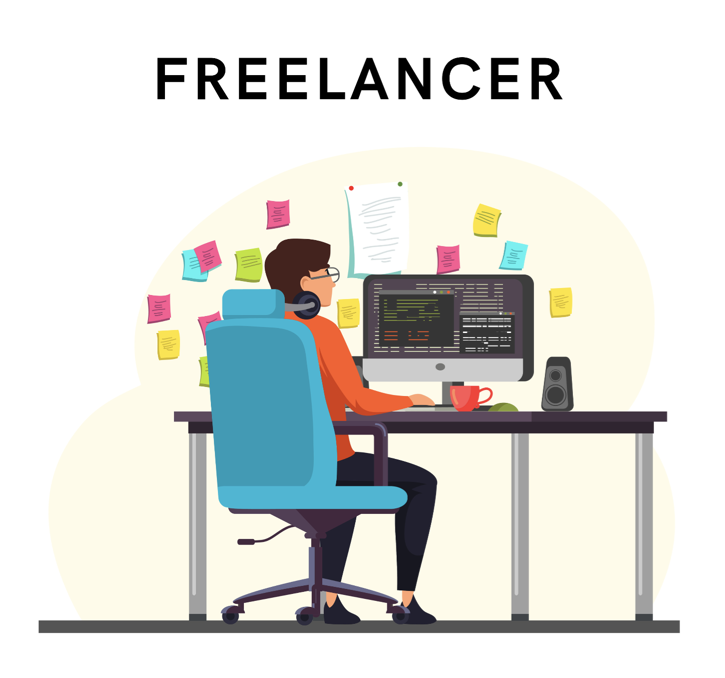
Unlike employees who follow company schedules and office rules, freelancers enjoy greater control over their careers. They can decide:
- Which clients to work with.
- What services to provide.
- How much to charge.
- When and where to work.
- How many projects to accept.
However, this independence comes with responsibilities. Freelancers must manage taxes, marketing, invoicing, contracts, and customer relationships themselves.
Some freelancers work full-time, while others freelance part-time alongside traditional jobs. Many entrepreneurs even start as freelancers before building agencies or businesses.
The demand for freelance talent continues to increase because companies want access to specialized skills without hiring permanent staff. As a result, freelancing has become one of the most attractive career options in the digital economy.
How Does a Freelancer Work?
Freelancing operates differently from traditional employment. Instead of reporting to one employer, freelancers collaborate with several clients simultaneously.
A typical freelancing process looks like this:
- A client needs a service.
- The freelancer submits a proposal or receives an inquiry.
- Both parties agree on pricing and project scope.
- Work begins according to the contract.
- The freelancer delivers the project.
- The client pays based on agreed terms.
Freelancers may charge:
- Hourly rates
- Fixed project fees
- Monthly retainers
- Performance-based compensation
For example, a content writer might charge $100 per article, while a web developer could bill $50 per hour.
Most freelancers communicate with clients through email, Zoom, Slack, or project management tools. Payments are usually processed through PayPal, Wise, bank transfers, or freelancing platforms.

One of the biggest advantages of freelancing is scalability. Skilled professionals can gradually increase their rates as they gain experience and reputation.
However, freelancing also involves inconsistent income, competition, and self-management. Success requires professionalism, communication skills, and the ability to deliver quality work consistently.
Types of Freelancers and Freelance Careers
Freelancing covers hundreds of professions. Some of the most common categories include:
Freelance Content Writers
Content writers create blog posts, website pages, newsletters, and marketing materials. Businesses rely heavily on written content for SEO and customer engagement.
Freelance Graphic Designers
Graphic designers develop logos, branding materials, advertisements, and social media graphics. Creative professionals are always in demand across industries.
Freelance Web Developers
Web developers build websites, e-commerce stores, and web applications. Technical skills often allow developers to command premium rates.
Freelance Digital Marketers
Digital marketers help businesses increase traffic and sales through SEO, social media marketing, paid advertising, and email campaigns.
Video Editors
Video content dominates online platforms. Skilled editors are needed by YouTubers, brands, and businesses to create professional videos.
Virtual Assistants
Virtual assistants handle scheduling, email management, customer support, and administrative tasks for entrepreneurs and companies.
Consultants
Experienced professionals provide expert advice in finance, business strategy, legal services, healthcare, and technology.
Because remote work continues to expand, opportunities exist in nearly every industry.
Skills Needed to Become a Successful Freelancer
Freelancing requires much more than technical expertise. Professionals who thrive in this field develop both hard and soft skills.
Communication Skills
Clients expect clear communication, timely responses, and professional interactions. Strong communication builds trust and encourages repeat business.
Time Management
Freelancers often juggle multiple projects. Effective scheduling helps maintain deadlines and reduce stress.
Self-Discipline
Without managers or office supervision, freelancers must stay motivated and productive independently.
Financial Management
Income can fluctuate, making budgeting and expense tracking essential. Understanding taxes and savings also contributes to long-term stability.
Marketing Skills
Freelancers need to market themselves continuously. Personal branding, networking, and portfolio development are important for attracting clients.
Problem-Solving Ability
Clients value professionals who can find solutions instead of simply identifying problems. Strong analytical skills increase long-term success.
Continuous Learning
Industries evolve rapidly. Successful freelancers invest in courses, certifications, and skill development to remain competitive.
How to Become a Freelancer Step by Step
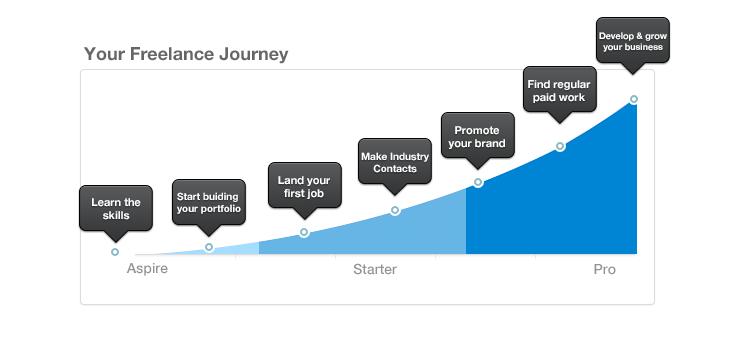
Starting a freelancing career doesn’t require huge investments. Following a structured approach can significantly improve your chances of success. If you’re exploring different ways to make money online, freelancing is one of the most accessible options for beginners and experienced professionals alike.
Step 1: Identify Your Skills
Determine what services you can offer. Writing, graphic design, programming, marketing, and consulting are excellent starting points.
Step 2: Choose a Niche
Specialization helps you stand out from competitors. Instead of being a general marketer, focus on SEO, email marketing, or paid advertising.
Step 3: Build a Portfolio
Clients want proof of your abilities. Create samples or complete small projects to showcase your work.
Step 4: Set Competitive Rates
Research industry standards and price your services realistically. Avoid charging extremely low rates because it can undervalue your expertise.
Step 5: Find Clients
Use platforms like Upwork, Fiverr, LinkedIn, and networking communities to secure your first opportunities.
Step 6: Deliver Outstanding Work
Quality work generates referrals and repeat clients, which are often more valuable than constantly searching for new customers.
Step 7: Scale Your Business
As experience grows, increase your rates, improve your systems, and potentially expand into an agency or consulting business.
Freelancer vs Employee: What’s the Difference?
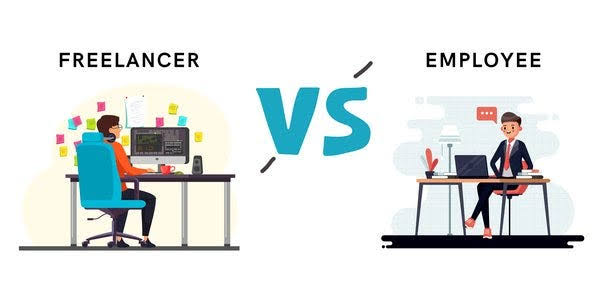
Many people compare freelancing with traditional employment before choosing a career path. Both options have advantages and challenges, and the right choice depends on personal goals, financial needs, and lifestyle preferences.
| Feature | Freelancer | Employee |
|---|---|---|
| Income | Variable | Fixed Salary |
| Clients | Multiple | Single Employer |
| Work Hours | Flexible | Fixed Schedule |
| Location | Remote or Anywhere | Office or Hybrid |
| Benefits | Self-managed | Employer-provided |
| Job Security | Less Predictable | Generally More Stable |
| Growth Potential | Unlimited | Often Structured |
| Taxes | Self-managed | Employer Handles Payroll Taxes |
Employees enjoy stability, health benefits, and predictable paychecks. Freelancers, on the other hand, benefit from flexibility and unlimited earning potential. A successful freelancer can eventually earn far more than a salaried employee, but it requires patience, discipline, and business skills.
For beginners, freelancing can even start as a side hustle before transitioning into full-time self-employment.
Examples of Freelancers in Different Industries
Freelancing exists across almost every industry. Here are some practical examples:
Content Writer
A content writer may work with five clients simultaneously, creating blog posts, website pages, and email newsletters. They might earn on a per-article basis and gradually increase rates as experience grows.
Graphic Designer
A designer creates logos, advertisements, and social media creatives for startups and businesses worldwide. Projects can range from one-time assignments to monthly contracts.
Software Developer
Developers frequently build websites and applications for companies remotely. High-demand programming skills often command premium rates.
Video Editor
Creators and brands constantly need video editors for YouTube videos, short-form content, and advertisements. Remote collaboration makes this profession ideal for freelancers.
SEO Specialist
Businesses want higher Google rankings, making SEO experts valuable freelance professionals. These specialists often work on monthly retainers and long-term projects.
These examples show that freelancing is not limited to one profession. Almost any skill can become a source of income.
Advantages of Being a Freelancer
Freelancing offers several advantages that attract millions of professionals worldwide. Freelancing is one of the most popular ways to earn money from home, allowing professionals to work remotely and create flexible income streams.
Why Freelancers Enjoy Freedom and Flexibility
One of the biggest reasons people choose freelancing is control over their schedules. Freelancers can decide when and where they work, making it easier to balance personal and professional responsibilities.
How Freelancers Can Increase Their Income Potential
Unlike fixed salaries, freelance income depends largely on skill level and demand. As expertise increases, rates can be raised, creating substantial earning opportunities.
Diverse Work Opportunities
Working with multiple clients provides exposure to different industries and projects. This diversity keeps work interesting and helps professionals develop broader skills.
Remote Work Advantages
Freelancers can work from home, coworking spaces, or while traveling. This location independence appeals to people seeking flexibility and freedom.
Skill Development
Because freelancers constantly solve different challenges, they often improve faster than traditional employees. Continuous learning becomes part of their career growth.
Greater Career Control
Freelancers choose their clients and projects. They are not limited by office politics or corporate hierarchies.
Challenges and Risks of Freelancing
Although freelancing offers many advantages, it also comes with challenges.
Income Challenges Faced by Freelancers
Freelance income can fluctuate significantly. Some months may bring excellent earnings, while others may be slower.
Lack of Employee Benefits
Freelancers usually do not receive health insurance, retirement plans, paid vacations, or bonuses from employers. They must manage these independently.
Client Acquisition Challenges
Finding clients consistently requires marketing, networking, and maintaining a strong reputation.
Competition in the Freelance Market
Freelance marketplaces are competitive. Standing out requires quality work and specialization.
Self-Management Responsibilities
Freelancers handle contracts, taxes, invoices, and customer communication themselves. This means they effectively operate as small business owners.
Work-Life Balance Issues
Without clear boundaries, freelancers may struggle with overworking or burnout. Time management becomes essential.
Despite these challenges, proper planning and experience help many freelancers build highly rewarding careers.
Common Mistakes New Freelancers Make
Many beginners struggle because they repeat avoidable mistakes.
Charging Too Little
Low pricing often attracts difficult clients and reduces profitability. Focus on delivering value instead of competing solely on price.
Not Building a Portfolio
Clients want proof of your skills. A strong portfolio improves credibility and increases conversion rates.
Depending on One Client
Relying on a single client creates financial risk. Diversifying income sources improves stability.
Ignoring Contracts
Clear agreements protect both freelancers and clients. Contracts help avoid misunderstandings and payment disputes.
Poor Communication
Slow responses and unclear expectations damage relationships. Professional communication builds trust.
Stopping Skill Development
Industries evolve quickly. Freelancers who fail to learn new skills may struggle to remain competitive.
Avoiding these mistakes significantly improves long-term success.
Expert Tips for Becoming a Successful Freelancer
Successful freelancers treat freelancing like a business rather than a temporary side project.
Experts recommend:
- Building strong relationships with clients.
- Developing a personal brand.
- Continuously upgrading skills.
- Creating multiple income streams.
- Maintaining emergency savings.
- Raising prices gradually with experience.
- Prioritizing quality over quantity.
Many experienced freelancers generate repeat business through referrals rather than constantly searching for new clients. Long-term relationships often become the foundation of sustainable income.
Consistency and professionalism matter more than overnight success.
FAQs About What Is a Freelancer
1. What is a freelancer in simple words?
A freelancer is a self-employed person who provides services to clients without working permanently for one employer.
2. Can beginners become freelancers?
Yes. Beginners can start freelancing by developing a skill, building a portfolio, and finding clients through online platforms and networking.
3. Is freelancing a full-time career?
Absolutely. Many professionals earn full-time incomes and build successful businesses through freelancing.
4. Do freelancers pay taxes?
Yes. Freelancers are responsible for managing and paying their own taxes according to local laws.
5. Which skills are best for freelancing?
Writing, graphic design, web development, SEO, digital marketing, video editing, and consulting are popular choices.
6. Can students become freelancers?
Yes. Students often start freelancing part-time to gain experience and earn extra income.
7. Is freelancing safe?
Freelancing is generally safe when using contracts, trusted platforms, and professional communication.
8. How much can freelancers earn?
Income varies widely. Beginners may earn modest amounts, while experienced freelancers can generate six-figure incomes annually.
9. Where can freelancers find clients?
Platforms like Upwork, Fiverr, LinkedIn, and personal networking are common sources of clients.
10. Do freelancers work from home?
Yes. Most freelancers work remotely, although some choose offices or coworking spaces.
Final Verdict
Understanding what is a freelancer is the first step toward exploring one of the most flexible and rewarding career paths available today. Freelancers enjoy independence, unlimited income potential, and the freedom to choose their projects and schedules. However, success requires discipline, continuous learning, and strong business skills.
Whether you’re a student, working professional, stay-at-home parent, or entrepreneur, freelancing can provide opportunities to build additional income or even create a full-time career. With growing demand for digital skills and remote work, freelancing is likely to remain a major part of the global economy for years to come.
The key to success is simple: develop valuable skills, deliver exceptional work, and continuously improve your expertise.
Beginners interested in freelancing can also explore other proven methods to make money online for beginners and build multiple income streams.