


Learning how to make passive income is one of the smartest financial moves you can make in today’s economy. While a traditional job provides active income, passive income creates opportunities to earn money beyond the hours you work. This additional income can help you achieve financial independence, build long-term wealth, diversify your earnings, and create greater financial security.
The idea of earning money while you sleep sounds appealing, but passive income is often misunderstood. Many people assume it requires little effort or happens overnight. In reality, most successful Revenue Stream require an upfront investment of time, money, skills, or resources before they begin generating consistent returns.
Whether you’re saving for retirement, paying off debt, building an emergency fund, or simply looking for additional Earnings, passive income can play a crucial role in reaching your financial goals. When combined with smart financial habits and learning how to save money, passive income can significantly accelerate wealth creation.
This comprehensive guide explains what passive income is, how it works, the best passive income ideas in 2026, common mistakes to avoid, and practical strategies to build sustainable Earnings streams that support your long-term financial future.
Quick Answer
Passive income is money earned from investments, assets, businesses, or digital products that continue generating revenue with limited ongoing effort after the initial setup. Common Automated Income sources include dividend stocks, rental properties, affiliate marketing, online courses, digital products, high-yield savings accounts, and automated online businesses.
The best passive income strategy depends on your financial resources, skills, risk tolerance, and long-term objectives.
Key Takeaways
- Passive income creates earnings beyond traditional employment.
- Most Revenue Stream streams require initial effort or investment.
- Dividend stocks and index funds remain popular long-term options.
- Digital products offer high scalability and profit potential.
- Real estate can generate recurring rental income.
- Affiliate marketing can create recurring online revenue.
- Learning how to save money helps fund passive income investments.
- Diversification reduces financial risk.
- Avoid get-rich-quick schemes and unrealistic promises.
- Long-term consistency is essential for success.
Table of Contents
- What Is Passive Income and How to Make Passive Income?
- Why Passive Income Matters More Than Ever
- Active Income vs Passive Income
- Best Ways to Make Passive Income in 2026
- Step-by-Step Guide on How to Make Passive Income
- Passive Income Comparison Table
- Real-World Examples
- Benefits of Learning How to Make Passive Income
- Risks and Limitations
- Common Mistakes When Trying to Make Passive Income
- Expert Insights
- Frequently Asked Questions
- Final Verdict
What Is Passive Income and How to Make Passive Income?
Passive income refers to earnings generated from assets, investments, or systems that require minimal ongoing involvement after their initial creation or setup. Unlike active income, which requires trading time for money, passive income allows you to continue earning even when you’re not actively working.
For example, when you work a traditional job, your paycheck stops if you stop working. With passive income, a dividend-paying stock can continue distributing dividends, a rental property can generate monthly rent, and an online course can produce sales years after it is created.
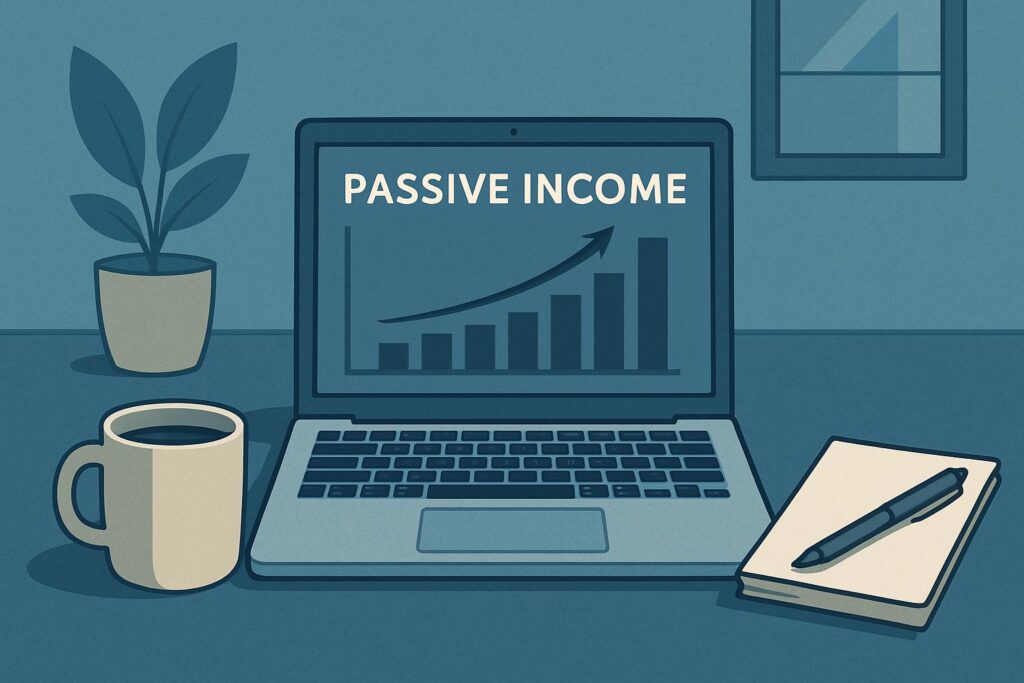
Passive income generally falls into three categories, If you’re completely new to this concept, our detailed guide on what is passive income explains the different types of passive income and how they work in real life.
Investment-Based Passive Income
This includes dividend stocks, bonds, real estate investment trusts (REITs), index funds, and savings accounts. These income streams typically require financial capital but less active management.
Asset-Based Passive Income
Rental properties, intellectual property, patents, and royalties fall into this category. These assets generate income through ownership.
Digital Passive Income
Digital products such as e-books, online courses, templates, software, and affiliate marketing systems can generate recurring revenue with relatively low operating costs.
The most successful passive income strategies often combine multiple earnings sources rather than relying on a single stream.
Why Passive Income Matters More Than Ever
The financial landscape has changed dramatically over the past decade. Rising inflation, economic uncertainty, job market disruptions, and increasing living expenses have highlighted the importance of diversifying income sources.
Relying on a single paycheck can create significant financial vulnerability. If your employer downsizes, your industry experiences challenges, or unexpected expenses arise, your financial stability can quickly be affected.
Passive income provides several advantages:
- Additional cash flow
- Greater financial security
- Reduced dependence on employment
- Faster wealth accumulation
- Increased retirement readiness
- More lifestyle flexibility
Many financially successful individuals focus on building assets that generate income rather than relying exclusively on earned wages. This approach allows money and investments to work alongside their primary career.
Passive income also supports long-term financial goals. Whether you want to retire early, travel more, spend additional time with family, or achieve financial independence, recurring income streams can help bridge the gap between your current situation and your desired future.
Active Income vs Passive Income
| Feature | Active Income | Passive Income |
|---|---|---|
| Time Required | Continuous | Limited after setup |
| Scalability | Limited | High |
| Income Stops When You Stop Working | Usually | Often No |
| Initial Investment | Low | Often Moderate |
| Wealth-Building Potential | Moderate | High |
| Flexibility | Limited | Greater |
Active income includes salaries, wages, freelance work, consulting, and hourly employment. Passive income involves systems, assets, or investments that continue producing earnings with reduced direct involvement.
The goal is not necessarily to replace active Earnings immediately but to gradually supplement it with passive income sources.
Best Ways to Make Passive Income in 2026
1. Dividend Stocks
Dividend investing remains one of the most reliable passive income strategies. Companies distribute a portion of profits to shareholders through regular dividend payments.
Benefits include:
- Regular income
- Potential stock appreciation
- Long-term wealth growth
- Reinvestment opportunities

Investors often focus on financially stable companies with strong dividend histories.
2. Index Funds and ETFs
Index funds provide diversified exposure to the stock market while requiring minimal management.
Advantages include:
- Low fees
- Broad diversification
- Long-term growth
- Simplicity
Many investors use index funds as a foundation for Automated Income and retirement planning.
3. Rental Real Estate
Rental properties generate monthly cash flow while potentially appreciating in value.
Income sources include:
- Monthly rent
- Property appreciation
- Tax benefits

Although real estate requires management, property managers can significantly reduce owner involvement.
4. Real Estate Investment Trusts (REITs)
REITs allow investors to earn income from real estate without purchasing physical properties.
Benefits include:
- Low entry barriers
- Dividend income
- Diversification
- Liquidity
REITs can be purchased through regular brokerage accounts.
5. High-Yield Savings Accounts
While not the highest-return option, high-yield savings accounts offer low-risk Automated Income through interest earnings.
Ideal for:
- Emergency funds
- Short-term savings
- Conservative investors
6. Affiliate Marketing
Affiliate marketing involves promoting products and earning commissions on resulting sales.
Successful affiliate marketers create:
- Blogs
- Product reviews
- Tutorials
- Resource guides

Once content ranks in search engines, commissions can continue for years.
7. Blogging
A successful blog can generate income through:
- Advertising
- Affiliate marketing
- Sponsored content
- Digital products
Blogging requires upfront effort but offers significant long-term earning potential. Many successful blogs eventually grow into full digital businesses. If you’re serious about scaling your income, learn how to start an online business and turn your content into a long-term asset.
8. YouTube Channels
Video content can produce recurring revenue through:
- Ad revenue
- Affiliate commissions
- Sponsorships
- Membership programs
Evergreen educational content often generates passive views and earnings long after publication.
9. Online Courses
Creating educational content allows creators to sell knowledge repeatedly.
Popular topics include:
- Business
- Finance
- Marketing
- Technology
- Personal development

Once created, courses can generate revenue for years.
10. E-books
Digital publishing enables authors to earn royalties from a single piece of content repeatedly.
Benefits include:
- Low costs
- Global reach
- Automation
11. Digital Products
Templates, spreadsheets, printables, and design assets can generate recurring income with minimal maintenance.
12. Print-on-Demand Businesses
Print-on-demand platforms handle production and shipping while creators focus on designs and marketing.
13. Software and Mobile Apps
Apps and software tools can create recurring subscription revenue.
Although development requires effort, successful products often scale efficiently.
14. Licensing Intellectual Property
Music, photography, artwork, and patents can generate royalty income through licensing agreements.
15. Automated Online Businesses
Automation tools make it possible to create businesses requiring limited daily management while generating recurring revenue.
Step-by-Step Guide on How to Make Passive Income
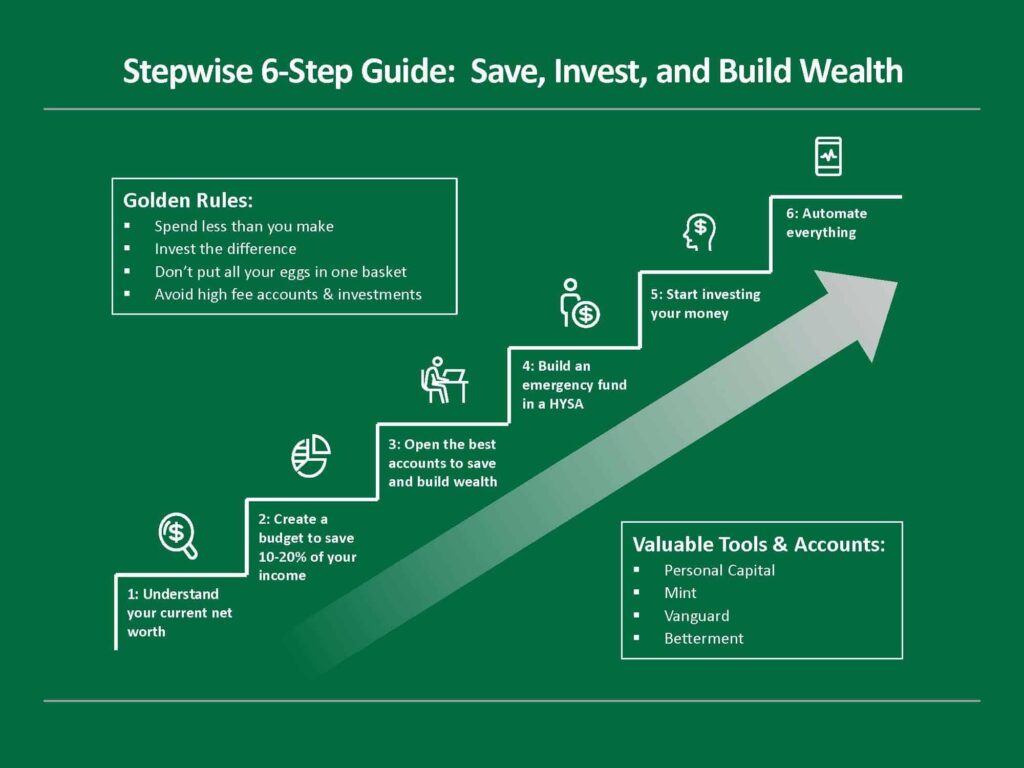
Step 1: Assess Your Financial Situation
Review your:
- Income
- Expenses
- Savings
- Debt
- Investment goals
Understanding your financial position helps determine which Automated Income strategies fit your circumstances.
Step 2: Learn How to Save Money
Before investing, maximize available capital. Building passive income starts with having money to invest. These proven tips on how to save money fast on a low income can help you free up extra cash for investments and income-producing assets.
Effective strategies include:
- Budgeting
- Reducing discretionary spending
- Negotiating bills
- Eliminating high-interest debt
- Automating savings
Money saved today can become tomorrow’s income-producing asset.
Step 3: Choose Suitable Income Streams
Consider:
- Available capital
- Risk tolerance
- Skills
- Time commitment
Different strategies suit different investors.
Step 4: Start Small
Avoid overcommitting resources. Begin with manageable investments and gradually expand.
Step 5: Reinvest Earnings
Reinvesting income accelerates compound growth and increases future earnings potential.
Step 6: Diversify
Multiple income streams reduce dependence on any single source.
Passive Income Comparison Table
| Income Source | Startup Cost | Risk Level | Scalability |
| Dividend Stocks | Medium | Moderate | High |
| Index Funds | Medium | Moderate | High |
| Rental Property | High | Moderate | Medium |
| REITs | Low | Moderate | High |
| Blogging | Low | Moderate | High |
| Affiliate Marketing | Low | Moderate | High |
| Online Courses | Low | Low | Very High |
| E-books | Low | Low | High |
| Digital Products | Low | Low | Very High |
| Savings Accounts | Low | Low | Low |
Real-World Examples
Example 1: Dividend Investor
An investor accumulates $100,000 in dividend-paying stocks generating a 4% annual yield. This produces approximately $4,000 annually in passive income.
Example 2: Digital Course Creator
A finance professional creates an online course priced at $99. With 500 annual sales, revenue exceeds $49,000 before expenses.
Example 3: Rental Property Owner
A rental property generating positive monthly cash flow can provide recurring income while benefiting from long-term appreciation.
Example 4: Affiliate Website
A niche website recommending financial tools earns recurring commissions from visitors who sign up through affiliate links.
Benefits of Learning How to Make Passive Income
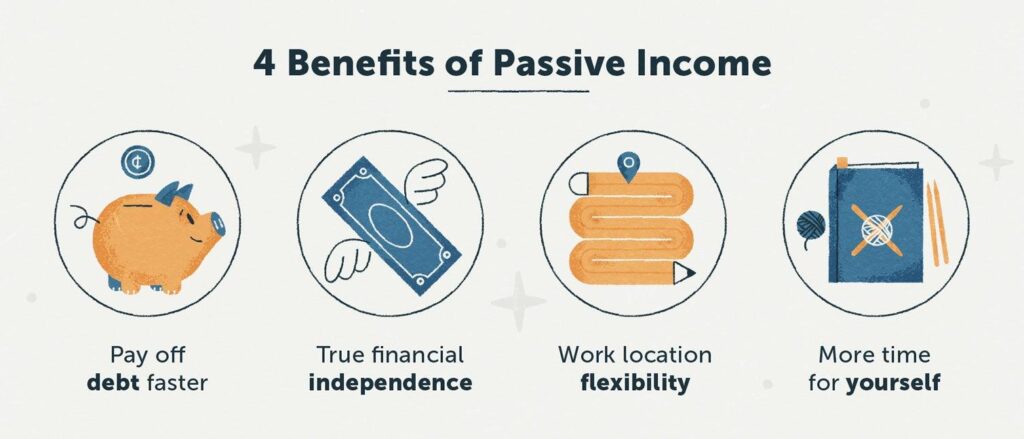
Greater Financial Security
Additional income streams reduce dependence on a single employer or source of earnings.
Wealth Accumulation
Automated Income assets often appreciate while generating cash flow.
Flexibility
Additional income provides more career and lifestyle choices.
Retirement Support
Passive income can supplement retirement savings and pension benefits.
Inflation Protection
Many investments have the potential to outpace inflation over time.
Risks and Limitations
Passive income is not risk-free.
Potential challenges include:
- Market volatility
- Investment losses
- Property vacancies
- Business competition
- Regulatory changes
- Technology disruptions
Many Automated income streams also require ongoing maintenance, monitoring, and occasional updates.
Understanding these risks helps create realistic expectations and better decision-making.
Common Mistakes When Trying to Make Passive Income
Expecting Instant Results
Most Residual Income systems take months or years to develop.
Lack of Research
Investing without understanding risks can lead to costly mistakes.
Ignoring Diversification
Relying on one income source increases vulnerability.
Chasing High Returns
Unrealistic promises often involve excessive risk.
Failing to Reinvest
Reinvestment accelerates wealth-building through compounding.
Neglecting Financial Fundamentals
Learning how to save money remains essential for long-term success.
Expert Insights
Financial experts consistently emphasize asset ownership as a foundation for wealth creation.
Successful investors focus on:
- Long-term thinking
- Consistency
- Diversification
- Risk management
- Continuous learning
The most sustainable Automated Income strategies prioritize steady growth over speculative opportunities.
Building Residual Income is less about finding shortcuts and more about creating valuable assets that generate recurring returns.
Frequently Asked Questions
1. What is the easiest passive income source?
High-yield savings accounts and dividend ETFs are among the easiest options for beginners.
2. How much money do I need to start?
Some passive income methods can begin with less than $100, while others require significant capital.
3. Is passive income truly passive?
Most passive income streams require initial effort and occasional maintenance.
4. Can passive income replace a full-time salary?
Yes, but achieving this typically requires substantial assets or successful businesses.
5. What is the safest passive income strategy?
High-yield savings accounts, government bonds, and diversified index funds are generally considered lower-risk options.
6. How long does it take to build passive income?
Timeframes vary from months to years depending on the strategy.
7. Are passive income earnings taxable?
In most jurisdictions, passive income is subject to taxation.
8. Can I build passive income while working full-time?
Yes. Many successful passive income streams begin as side projects.
9. Which passive income strategy has the highest earning potential?
Digital businesses, software products, and scalable online assets often have significant growth potential.
10. How does saving money help create passive income?
Saving money increases investment capital, allowing you to acquire income-producing assets faster.
Final Verdict
Learning how to make passive income is one of the most effective ways to improve financial security, build wealth, and create greater freedom over time. While no passive income strategy is entirely effortless, many opportunities can generate recurring earnings once properly established.
For most people, the best approach combines disciplined saving, diversified investing, and scalable income-producing assets. By first mastering how to save money and then directing those savings into carefully selected Automated Income opportunities, you can gradually build financial independence and create a more resilient financial future.
The sooner you begin, the more time your investments, assets, and systems have to grow and compound.