



Financial wellness is more than simply having money in the bank. It is the ability to manage your finances effectively, meet current obligations, prepare for future goals, and feel confident about your financial situation. In today’s uncertain economic environment, understanding what is financial wellness has become increasingly important for individuals and families seeking financial security and peace of mind.
Financial wellness affects nearly every aspect of life, including mental health, career choices, relationships, and retirement planning. People who achieve strong money wellness typically experience lower stress levels, greater confidence in decision-making, and improved overall quality of life. It is not about being wealthy; rather, it is about having control over your money and using it to support your life goals.
Whether you are just starting your economic journey, recovering from debt, building savings, or planning for retirement, financial wellness provides a framework for making smarter money decisions. Learning how to save money and manage resources effectively is one important component, but true economic well-being encompasses much more than saving alone.
This guide explains financial wellness in detail, explores its key components, benefits, challenges, and practical strategies, helping you create a stronger financial future.
Quick Answer
Financial wellness is the state of having a healthy relationship with money, where you can comfortably meet your financial obligations, manage expenses, prepare for emergencies, reduce financial stress, and work toward long-term money goals with confidence.
Key Takeaways
- Financial wellness focuses on money stability, security, and confidence.
- It involves budgeting, saving, investing, debt management, and financial planning.
- Financial wellness improves mental health and reduces financial stress.
- It is achievable regardless of income level.
- Emergency savings play a critical role in financial wellness.
- Long-term planning helps build financial security.
- Financial education improves money management decisions.
- Consistent habits matter more than short-term financial wins.
Table of Contents
- Understanding Financial Wellness
- Why Financial Health Matters
- Core Components of Financial Wellness
- Signs of Strong Financial Well-Being
- Factors That Affect Financial Wellness
- Steps to Improve Financial Wellness
- Financial Wellness vs Financial Freedom
- Real-World Examples
- Benefits of Financial Wellness
- Risks and Limitations
- Common Mistakes to Avoid
- Expert Insights
- Frequently Asked Questions
- Final Verdict
Understanding Financial Wellness
Financial wellness refers to a person’s overall financial condition and ability to effectively manage money in a way that supports both current needs and future goals. Unlike simple measures such as income or net worth, economic well-being considers how individuals feel about their financial situation and whether they can maintain financial stability over time.
Financial wellness involves balancing multiple financial responsibilities. Individuals must cover essential expenses, manage debt, build savings, prepare for emergencies, and invest for future goals. Achieving this balance creates confidence and reduces financial anxiety.
A financially well individual generally feels capable of handling unexpected expenses without significant hardship. They understand their financial position, have clear goals, and take consistent action to improve their financial future.

Financial wellness is also dynamic rather than fixed. Life events such as marriage, career changes, economic downturns, or medical emergencies can influence financial well-being. Therefore, maintaining Money wellness requires ongoing evaluation and adjustment.
Organizations increasingly recognize the importance of Money wellness because financial stress can reduce productivity, increase absenteeism, and negatively impact employee health. As a result, many employers now offer financial education programs and wellness benefits.
Ultimately, economic well-being is about achieving financial confidence and resilience. It enables individuals to focus on life opportunities rather than constantly worrying about money.
The Difference Between Financial Wellness and Wealth
Many people confuse financial wellness with wealth accumulation. While wealth can contribute to economic well-being, the two concepts are not identical.
Wealth typically refers to the total value of assets minus liabilities. It measures financial resources and net worth. Financial wellness, however, focuses on the ability to effectively manage finances and achieve economic stability regardless of income or asset levels.
A wealthy individual may still experience financial stress if spending habits exceed income or debt obligations become overwhelming. Conversely, someone with a modest income may achieve strong economic well-being through responsible budgeting, consistent saving, and disciplined financial planning.

Financial wellness emphasizes behaviors, habits, and financial confidence. Wealth focuses on financial assets and resources. Although building wealth often supports financial wellness, sustainable financial well-being requires strong financial habits.
This distinction is important because it highlights that anyone can improve Money wellness regardless of current income. Positive financial behaviors often lead to greater wealth over time, creating a cycle of improved financial health and security.
Why Financial Health Matters
Financial health influences nearly every aspect of daily life. Money affects housing, healthcare, education, relationships, career opportunities, and retirement readiness. When finances are unstable, stress levels often rise, leading to emotional and physical challenges.
Research consistently shows a connection between financial stress and mental health issues such as anxiety, depression, and burnout. Constant worry about bills, debt, or unexpected expenses can reduce quality of life and hinder long-term planning.
Strong financial health provides security and flexibility. As their financial confidence grows, many individuals look for practical ways to earn more money and accelerate progress toward their personal and financial goals. Individuals with healthy finances can make decisions based on personal goals rather than financial necessity. They may pursue career opportunities, start businesses, continue education, or relocate without excessive financial concern.
Money wellness also improves family relationships. Money-related conflicts remain one of the leading causes of relationship stress. Effective financial management encourages communication, shared goals, and reduced conflict among family members.
From a societal perspective, financially healthy individuals contribute to economic stability. They are more likely to save, invest, and participate in economic growth. Reduced financial stress can also improve workplace productivity and overall well-being.
Importantly, financial health creates resilience during economic uncertainty. Unexpected events such as job loss, inflation, or medical emergencies become more manageable when individuals maintain emergency savings and sound financial habits.
Building financial health is therefore not merely a financial objective—it is a foundation for overall life satisfaction and long-term success.
How Financial Stress Impacts Everyday Life
Financial stress can affect nearly every area of personal and professional life. When individuals constantly worry about money, their ability to focus and make informed decisions often declines.
Chronic financial stress may lead to sleep problems, increased anxiety, reduced productivity, and strained relationships. Employees facing significant financial concerns frequently report lower workplace engagement and higher levels of distraction.

Financial stress can also trigger short-term decision-making. Individuals may rely on high-interest debt, postpone important healthcare treatments, or avoid long-term planning due to immediate financial pressures.
Families experiencing financial difficulties often encounter increased conflict and communication challenges. Children may also feel the effects through reduced educational opportunities or heightened household stress.
Addressing financial stress requires proactive financial planning, budgeting, debt management, and realistic goal setting. As financial stability improves, individuals typically experience greater emotional well-being and confidence.
Core Components of Financial Wellness
Money wellness consists of several interconnected pillars that collectively support long-term economic health.
Budgeting and Cash Flow Management
Budgeting serves as the foundation of financial wellness. Understanding income, expenses, and spending patterns allows individuals to allocate resources effectively and avoid unnecessary debt.
Effective budgeting does not require strict deprivation. Instead, it involves intentional spending aligned with personal priorities and financial goals. Tracking expenses helps identify areas where spending can be optimized while ensuring essential obligations remain covered.
Cash flow management ensures income consistently exceeds expenses. Positive cash flow creates opportunities to save, invest, and build financial security. Without proper cash flow management, even high-income earners may struggle financially.
Regular budget reviews help individuals adapt to changing circumstances and maintain financial control. Modern budgeting tools and financial apps have made tracking expenses easier than ever.
Emergency Savings and Financial Security
Emergency savings provide protection against unexpected financial shocks. Medical expenses, car repairs, home maintenance issues, or temporary job loss can create financial hardship without adequate savings.
Financial experts commonly recommend maintaining three to six months of living expenses in an emergency fund. This reserve helps individuals avoid high-interest debt during emergencies and preserves financial stability.

Emergency savings contribute significantly to financial confidence. For people with limited budgets, learning strategies to save money fast on a low income can make it easier to build emergency savings and maintain financial stability. Knowing that unexpected expenses can be managed reduces stress and improves overall financial well-being.
Building emergency savings requires consistency rather than large contributions. Small, regular deposits often grow into meaningful financial cushions over time.
Debt Management and Long-Term Planning
Debt can either support or hinder Money wellness depending on how it is managed. Responsible use of debt for education, housing, or business growth may provide long-term benefits. Excessive consumer debt, however, can undermine financial stability.
Effective debt management involves understanding interest rates, repayment schedules, and overall debt-to-income ratios. Prioritizing high-interest debt repayment often improves financial health more quickly.
Long-term planning complements debt management by helping individuals prepare for future goals such as homeownership, education funding, retirement, or entrepreneurship.
Financial planning includes goal setting, investment strategies, insurance coverage, tax considerations, and retirement preparation. Together, these elements create a roadmap for sustainable financial success.
Signs of Strong Financial Well-Being
A financially healthy individual demonstrates several key characteristics:
- Consistently pays bills on time.
- Maintains emergency savings.
- Experiences minimal financial stress.
- Has manageable debt levels.
- Actively plans for future goals.
- Understands personal financial position.
- Makes informed financial decisions.
- Maintains appropriate insurance coverage.
- Regularly contributes to retirement savings.
- Can absorb unexpected expenses without major disruption.
Financial well-being is not measured by perfection. Rather, it reflects ongoing progress toward financial stability and resilience.
Factors That Affect Financial Wellness
Several factors influence economic well-being:
| Factor | Impact |
|---|---|
| Income | Determines earning capacity |
| Spending Habits | Affects savings and debt |
| Education | Improves financial literacy |
| Employment Stability | Influences financial security |
| Health | Unexpected costs may arise |
| Economic Conditions | Inflation and recession affect finances |
| Family Responsibilities | Influence budgeting priorities |
| Debt Levels | Affect financial flexibility |
Understanding these factors helps individuals develop realistic financial strategies.
Steps to Improve Financial Wellness
- Assess your current financial situation.
- Create a realistic monthly budget.
- Build an emergency fund.
- Reduce high-interest debt.
- Establish financial goals.
- Increase financial literacy.
- Automate savings contributions.
- Review financial progress regularly.
- Invest for long-term growth.
- Seek professional guidance when necessary.
Financial Wellness vs Financial Freedom
| Feature | Financial Wellness | Financial Freedom |
|---|---|---|
| Focus | Stability and confidence | Independence from financial constraints |
| Timeframe | Ongoing | Long-term goal |
| Income Requirement | Any income level | Often requires substantial assets |
| Main Objective | Financial health | Lifestyle flexibility |
| Accessibility | Achievable for most people | May take decades |
Money wellness often serves as the foundation for eventual economic freedom.
Real-World Examples
Example 1: Young Professional
A 28-year-old employee creates a budget, eliminates credit card debt, and builds a six-month emergency fund. Although not wealthy, they experience strong financial wellness because they have economic stability and confidence.
Example 2: Family Planning for the Future
A couple develops a financial plan covering homeownership, children’s education, insurance protection, and retirement investing. Their organized approach improves financial security and reduces stress.
Example 3: Retirement Preparation
A worker consistently contributes to retirement accounts for twenty years. Through disciplined saving and investing, they achieve greater money wellness and retirement readiness.
Benefits of Financial Wellness
- Reduced financial stress
- Improved mental health
- Better decision-making
- Increased financial security
- Greater confidence
- Enhanced career flexibility
- Stronger family relationships
- Better retirement readiness
- Increased resilience during emergencies
- Improved overall quality of life
Risks and Limitations
Money wellness does not eliminate all Money-related challenges.
Potential limitations include:
- Economic downturns
- Inflation
- Unexpected medical costs
- Job loss
- Market volatility
- Family emergencies
Even financially healthy individuals must adapt to changing circumstances.
Common Mistakes to Avoid
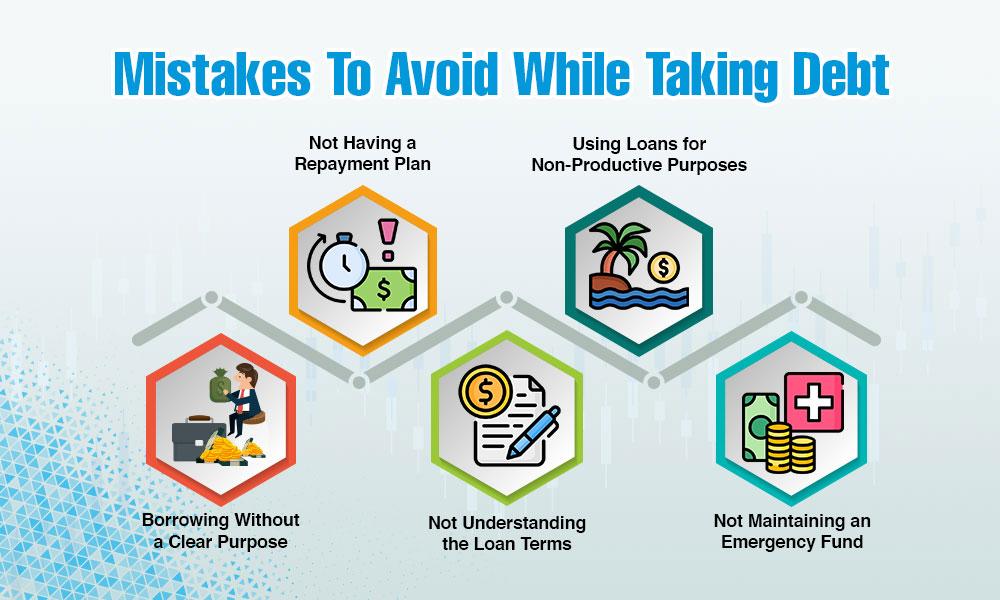
Ignoring Financial Goals
Without clear objectives, financial decisions often become reactive rather than strategic.
Living Beyond Your Means
Excessive spending creates debt and limits future opportunities.
Neglecting Emergency Savings
Unexpected expenses can quickly derail finances.
Avoiding Financial Education
Lack of financial knowledge often leads to costly mistakes.
Delaying Retirement Planning
Waiting too long reduces the benefits of compound growth.
Expert Insights
Money experts consistently emphasize that money wellness is built through consistent habits rather than one-time financial wins.
Key expert recommendations include:
- Spend less than you earn.
- Maintain an emergency fund.
- Invest consistently.
- Review finances regularly.
- Focus on long-term goals.
- Avoid emotional financial decisions.
Financial wellness is typically achieved through small, consistent actions repeated over time.
Frequently Asked Questions
1. What is financial wellness?
Financial wellness is the ability to manage finances effectively while maintaining stability, security, and confidence.
2. Why is financial wellness important?
It reduces stress, improves decision-making, and supports long-term financial security.
3. Is financial wellness only for wealthy people?
No. Financial wellness depends more on money management habits than income level.
4. How can I improve financial wellness?
Create a budget, build savings, reduce debt, and establish financial goals.
5. What role does budgeting play?
Budgeting helps control spending and ensures resources align with priorities.
6. How much should I save for emergencies?
Most experts recommend three to six months of living expenses.
7. Can debt affect financial wellness?
Yes. Excessive debt can create stress and reduce financial flexibility.
8. How is financial wellness measured?
Through indicators such as savings, debt levels, financial confidence, and ability to meet obligations.
9. Does financial wellness improve mental health?
Yes. Reduced financial stress often contributes to better emotional well-being.
10. Is financial wellness a lifelong process?
Yes. Financial wellness requires continuous management and adjustment.
Final Verdict
Financial wellness is the foundation of a secure and confident financial life. It goes beyond income and wealth, focusing on the ability to manage money effectively, prepare for unexpected challenges, and achieve long-term goals. Individuals who prioritize budgeting, saving, debt management, investing, and financial education are better positioned to handle economic uncertainty and enjoy greater peace of mind.
Achieving financial wellness does not require perfection or a high income. Over time, many financially healthy individuals also explore ways to make passive income so they can create additional financial security and reduce dependence on a single source of earnings. It requires consistent habits, informed decisions, and a commitment to long-term financial health. By strengthening these financial fundamentals, anyone can improve their financial well-being and build a more secure future.