




Learning how to save money on utilities is one of the easiest ways to reduce household expenses without making major lifestyle sacrifices. Electricity, water, heating, cooling, internet, and gas bills often consume a significant portion of monthly budgets, but many people unknowingly waste money through inefficient habits and outdated appliances.
Whether you’re a homeowner, renter, or living with family, small changes can lead to noticeable savings over time. Smart thermostats, energy-efficient lighting, reducing water usage, and monitoring electricity consumption can collectively save hundreds or even thousands of dollars annually.
If you’re wondering how to save money without drastically changing your lifestyle, lowering utility costs is a great place to start. This guide explains proven strategies, practical examples, common mistakes, and expert recommendations to help you spend less and improve your financial health.
Quick Answer
You can save money on utilities by:
- Switching to LED lighting.
- Using energy-efficient appliances.
- Lowering heating and cooling costs.
- Reducing water consumption.
- Eliminating standby power usage.
- Improving home insulation.
- Comparing internet and utility providers.
- Monitoring monthly energy usage.
Key Takeaways
- Utility bills can often be reduced by 10–30%.
- Small habits create long-term savings.
- Energy-efficient appliances lower costs over time.
- Smart home devices improve energy management.
- Water conservation reduces both water and heating expenses.
- Regular monitoring prevents unnecessary spending.
Table of Contents
- Why Learning How to Save Money on Utilities Matters
- How to Save Money on Utilities by Reducing Electricity Costs
- How to Lower Heating and Cooling Utility Expenses
- How to Save Money on Utilities Through Lower Water Usage
- How to Reduce Monthly Utility and Internet Costs
- Step-by-Step Guide on How to Save Money on Utilities
- Comparison of the Best Ways to Save Money on Utilities
- Real-Life Examples of Saving Money on Utility Bills
- Benefits of Learning How to Save Money on Utilities
- Risks and Limitations of Reducing Utility Expenses
- Common Mistakes When Trying to Save Money on Utilities
- Expert Tips for Saving Money on Household Utilities
- FAQs About How to Save Money on Utilities
- Final Thoughts on How to Save Money on Utilities
Why Learning How to Save Money on Utilities Matters
Utility costs continue increasing due to inflation, higher energy demand, and seasonal consumption. Many households focus on cutting discretionary spending while overlooking recurring expenses that occur every month. If you’re working with a tight budget, our guide on how to save money fast on a low income provides additional ways to cut expenses and improve your finances.
Unlike occasional purchases, utility bills are fixed financial obligations. Even reducing them by $50 monthly creates annual savings of $600. Over several years, those savings become substantial.
Lower utility costs also contribute to environmental sustainability by reducing energy consumption and water waste.
How to Save Money on Utilities by Reducing Electricity Costs
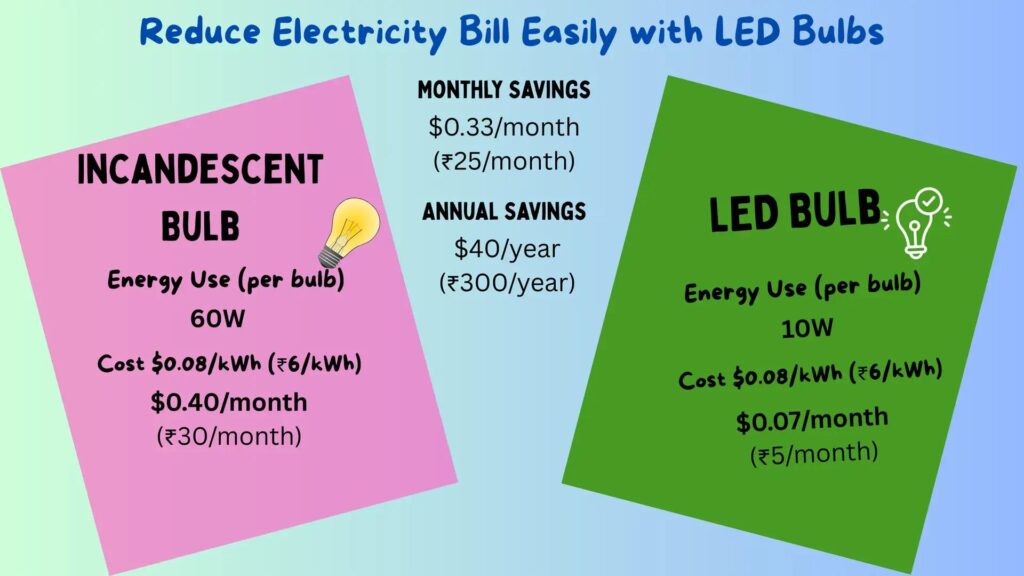
Electricity is often the largest utility expense. Fortunately, several simple strategies can reduce consumption.
Save Electricity Costs With Energy-Efficient LED Bulbs
LED bulbs use significantly less energy and last much longer than incandescent bulbs.
Reduce Utility Bills by Eliminating Standby Power
Electronics consume standby power even when turned off. Unplug chargers, gaming consoles, and appliances when they’re not needed.
Lower Household Utility Costs With Efficient Appliances
Modern appliances with Energy Star ratings consume less electricity and lower operating costs.
Wash Clothes With Cold Water
Heating water accounts for considerable energy usage. Cold-water washing reduces electricity consumption.
Run Appliances During Off-Peak Hours
Some utility providers charge lower rates during certain hours, helping reduce overall costs.
How to Lower Heating and Cooling Utility Expenses
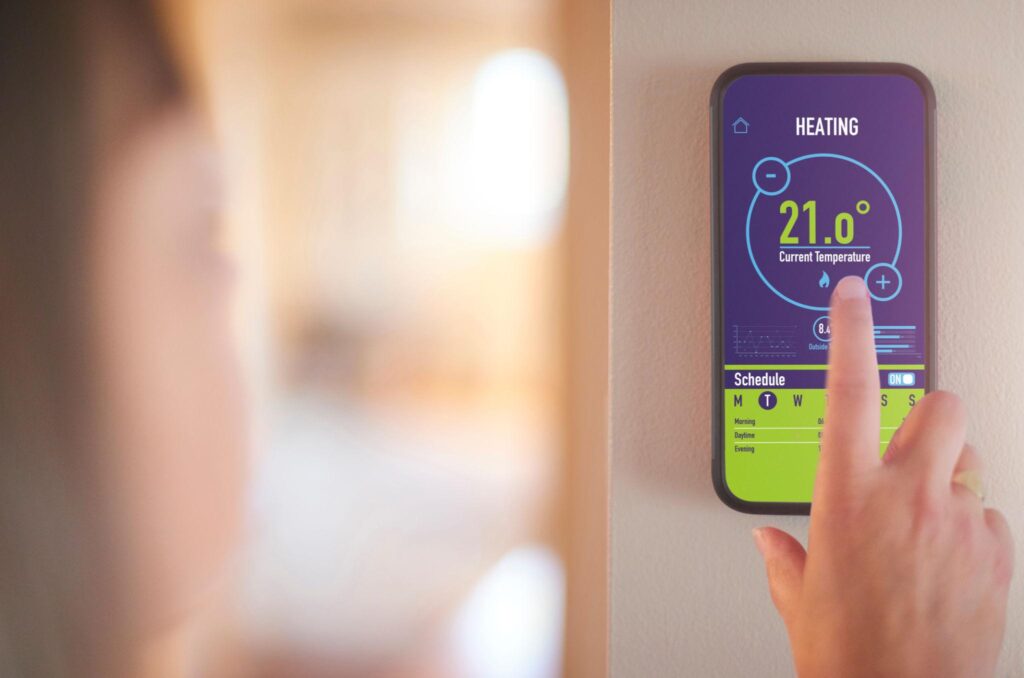
Heating and air conditioning account for a major portion of household energy use.
Save Money on Energy Bills With Better Thermostat Settings
Lowering winter temperatures by a few degrees and raising summer temperatures can produce meaningful savings.
Reduce Home Energy Costs Through Proper Insulation
Proper insulation prevents heat loss during winter and keeps cool air inside during summer.
Use Ceiling Fans
Fans help circulate air efficiently, reducing reliance on air conditioning systems.
Seal Windows and Doors
Air leaks increase heating and cooling expenses. Weather stripping and sealing gaps improve efficiency.
Install Smart Thermostats
Programmable thermostats automatically optimize temperatures and reduce unnecessary energy use.
How to Save Money on Utilities Through Lower Water Usage
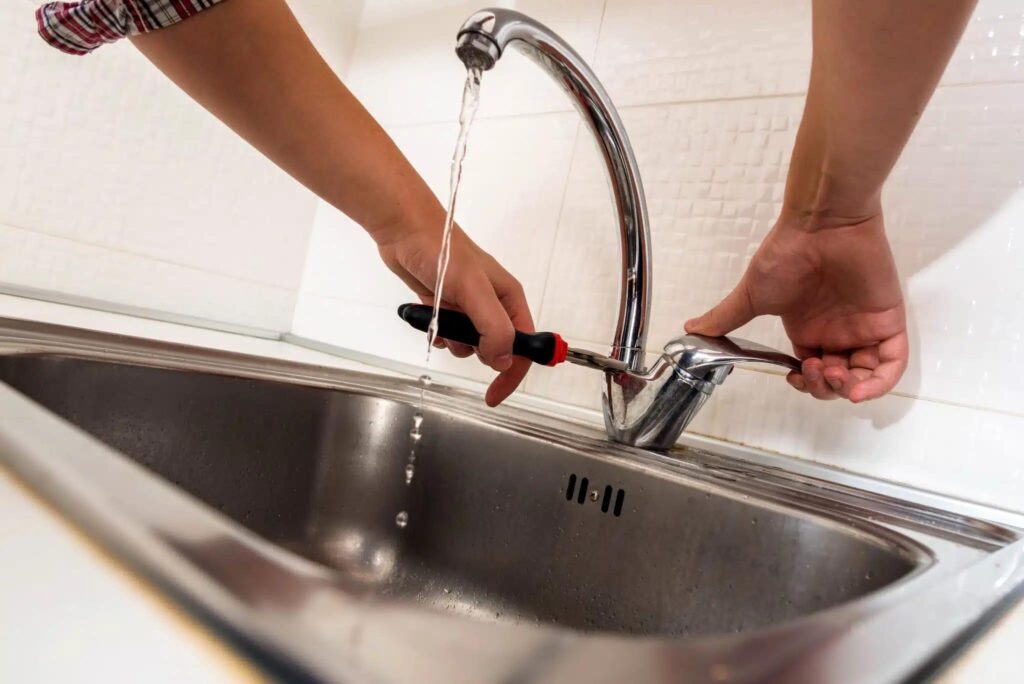
Water conservation lowers both water and energy costs.
Reduce Water Utility Costs by Repairing Leaks
A dripping faucet or leaking toilet wastes gallons of water daily.
Lower Water Bills With Efficient Fixtures
Low-flow showerheads and faucets reduce water consumption without sacrificing performance.
Take Shorter Showers
Reducing shower times lowers both water and water-heating expenses.
Run Full Loads
Dishwashers and washing machines operate most efficiently when fully loaded.
Use Water-Efficient Landscaping
Native plants and efficient irrigation systems reduce outdoor water usage.
How to Reduce Monthly Utility and Internet Costs
Monthly internet and phone bills are often overlooked.
- Review plans annually.
- Negotiate with providers.
- Bundle services when beneficial.
- Eliminate unused subscriptions.
- Switch to lower-cost carriers if possible.
Competition among providers frequently creates opportunities for better deals.
Step-by-Step Guide on How to Save Money on Utilities
| Step | Action |
|---|---|
| 1 | Review previous utility bills |
| 2 | Identify high-cost categories |
| 3 | Replace inefficient lighting |
| 4 | Fix leaks and insulation issues |
| 5 | Optimize thermostat settings |
| 6 | Upgrade appliances gradually |
| 7 | Monitor monthly usage |
| 8 | Track annual savings |
Comparison of the Best Ways to Save Money on Utilities
| Strategy | Estimated Savings |
| LED bulbs | $75–$150/year |
| Smart thermostat | $100–$250/year |
| Improved insulation | $200–$600/year |
| Water-saving fixtures | $50–$200/year |
| Efficient appliances | $100–$500/year |
| Eliminating standby power | $50–$100/year |
Real-Life Examples of Saving Money on Utility Bills
Example 1
A family replaced all traditional bulbs with LED lights and reduced annual electricity expenses by approximately $120.
Example 2
Installing a smart thermostat lowered heating and cooling costs by nearly 15%.
Example 3
Fixing household leaks and installing low-flow showerheads reduced water bills by more than $100 annually.
Benefits of Learning How to Save Money on Utilities
- More disposable income.
- Reduced financial stress.
- Lower environmental impact.
- Increased home efficiency.
- Better budgeting and cash flow.
- Long-term savings accumulation.
Reducing recurring expenses is also an important part of achieving financial wellness, as it helps create better money habits and long-term stability.
Risks and Limitations of Reducing Utility Expenses
- Some upgrades require upfront investment.
- Savings vary by location and climate.
- Not every household has control over utility providers.
- Renters may face limitations regarding major improvements.
Despite these challenges, many low-cost strategies provide immediate benefits.
Common Mistakes When Trying to Save Money on Utilities
Ignoring Small Energy Drains
Standby power consumption adds unnecessary costs.
Delaying Repairs
Leaks and insulation problems become more expensive over time.
Buying Cheap Appliances
Lower purchase prices can result in higher operating costs.
Forgetting Seasonal Adjustments
Heating and cooling settings should change throughout the year.
Not Monitoring Usage
Without tracking expenses, waste often goes unnoticed.
Expert Tips for Saving Money on Household Utilities
Financial experts generally recommend focusing on recurring expenses because reducing monthly obligations creates permanent savings. Many experts also emphasize that improving your finances isn’t just about cutting costs. Learning how can I earn more money alongside reducing expenses can help create a stronger and more sustainable financial foundation.
Energy specialists suggest prioritizing high-impact improvements such as:
- Smart thermostats.
- LED lighting.
- Efficient appliances.
- Home insulation.
- Water conservation measures.

Consistent habits often matter more than expensive upgrades.
FAQs About How to Save Money on Utilities
How much can I save on utilities?
Most households can reduce costs by 10–30%.
What uses the most electricity?
Heating and cooling systems typically consume the most energy.
Are smart thermostats worth it?
Yes, many homeowners recover their investment through lower energy bills.
Do LED bulbs really save money?
Yes, they use significantly less electricity and last much longer.
How can renters reduce utility bills?
Renters can use LED bulbs, smart power strips, and improve daily habits.
Does unplugging devices help?
Yes, standby power contributes to unnecessary energy consumption.
How often should I review utility bills?
Monthly monitoring helps identify unusual spikes.
Are energy-efficient appliances worth the cost?
Over time, reduced operating expenses usually offset higher purchase prices.
Final Thoughts on How to Save Money on Utilities
Understanding how to save money on utilities can significantly improve your finances without requiring major sacrifices. Small changes such as switching to LED lighting, fixing leaks, optimizing thermostat settings, and monitoring usage can create lasting savings.
Rather than searching for drastic ways to cut expenses, focus on recurring bills that affect your budget every month. Consistent improvements today can produce meaningful financial benefits for years to come.